
Some of the most powerful memorials are never meant to be memorials at all.
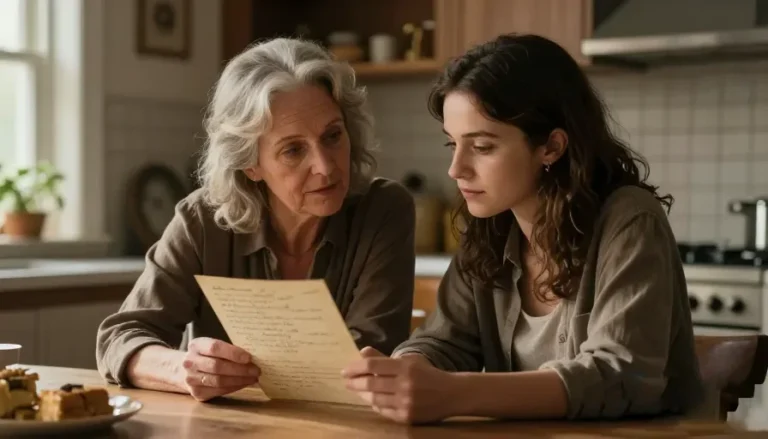
A yellowed index card with a grandmother’s handwriting. The edges curling from years of butter and flour. Measurements crossed out and rewritten. A note in the margin: “Add more cinnamon – Dad liked it that way.”
That card is not just a recipe. It is a conversation across decades. It is a kitchen on Sunday mornings. It is the smell that still brings tears when someone tries to recreate it.
When we lose someone, we often reach for the things they touched. The apron hanging on the hook. The chipped mixing bowl. The recipe card tucked in a drawer. These objects hold memory in a way photographs sometimes cannot.
Our tools are designed to give those objects a digital life.
A family member uploads a photo of the card, adds a short story about Sunday baking, perhaps records a voice note of the recipe being read aloud. Fisceal quietly extracts the ingredients, the steps, the people mentioned in the note. It creates a memorial page where the recipe becomes the heart — surrounded by photos, stories, and connections to the people who loved it.
Anyone in the family can add to it later: “Mum always used nutmeg instead”, “This was the last cake she made before she got ill”.
The card itself may fade. The memory it carries does not.
We are not trying to replace the physical keepsake. We are trying to give it a companion — a place where it can be seen, shared, and remembered long after the paper is gone.
If you have a recipe, a letter, a pressed flower, a child’s drawing that still makes you pause — consider giving it a digital home. It takes only a few minutes, and it lasts forever.
What small object still carries someone’s memory for you?