
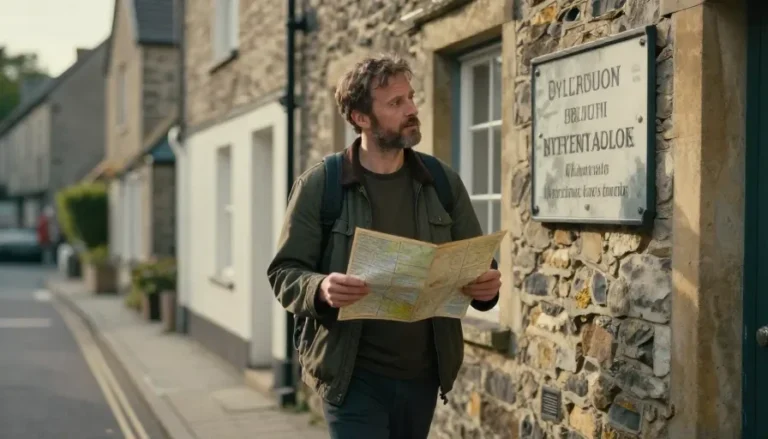
There is a kind of history that rarely makes headlines.
It lives in the name of a lane that no longer exists, the cracked cornerstone of a church hall, the way an elderly neighbour still calls the high street “the old market way”. These are the quiet stories of place — local history in its purest form.
We tend to think of history as distant kings and wars, but most of what shapes us is much closer: the corner shop that stood for three generations, the river path children walked to school, the annual fair that still draws the same families every summer. These are the roots that hold us when everything else changes.
Yet they are fragile.
Buildings are demolished. Streets are renamed. Memories of how things used to feel slip away when the last person who remembers is gone. Digital archives help, but only if someone takes the time to record them first.
That is where tools like ours can make a difference.
A local history society can collect oral recollections through simple forms, let Fisceal extract names, dates and places, then publish them as searchable digital collections. A small museum can create interactive timelines of the town’s buildings and people. Families can link personal stories to the places they came from.
None of this replaces walking the streets or talking to elders. But it does give those experiences a chance to outlive the people who lived them.
We believe local history is not a luxury — it is identity. And identity, once lost, is almost impossible to recover.
If you belong to a group that looks after the stories of a place, we would love to hear what you are trying to preserve. Our tools are still young, but they are built for exactly this kind of work.
What story of place would you want to protect?